


Biblia con lenguaje actual
4.843.00 Reviews
App Specs
- Version
- Biblia con lenguaje actual 9.0
- Updated On
- License
- Free
- Downloads
- 50,000+
- Developer
- Bible Français
- Categories
- Libraries & Demo
- Platform
- Android
Screenshots


 Analysis by AppCompare
When I choose a Bible app, I care about more than whether the text is easy to open. I also want to know whether its language suits the way I read, how much friction there is between picking it up and finding a passage, and whether I can make sensible choices about using it. Biblia con lenguaje actual is a free reading app from Bible Français, aimed at people who want a Bible in contemporary Spanish. I find it approachable, though I would still take a moment to check the choices and settings that matter to me rather than assume every Bible app handles them the same way.
What trust looks like in a Bible-reading app
Religious reading can be personal, even when someone is simply browsing a familiar passage or following a daily routine. That makes it reasonable to think about privacy and control before settling into an app. I can describe the reading experience and the practical questions I would consider, but I would not treat a pleasant interface as proof of anything about data handling. For me, trust means checking the app’s visible choices and the permission prompts on my own device, then deciding whether they fit how I plan to use it.
The app is listed for Everyone and is free to install, with optional in-app purchases priced at $0.99 per item. Its 4.8 average from around 1,900 ratings, alongside over 50,000 installs, suggests that many people have chosen to try it; those figures are useful context, not a guarantee that its approach will suit every reader. Bible Français is the developer, and the current release is Biblia con lenguaje actual 8.0. I would use those details to identify the app, not as a substitute for my own judgment about its controls.
How I would check the choices that matter
Before making any Bible app part of a regular routine, I look at the permissions requested during installation and at any prompts that appear when I try a feature. I grant access only when I understand why it is being requested and when it helps with something I actually want to do. I also look for settings that let me change notifications or other optional behavior. Those are practical checks, not claims about a particular permission or privacy policy: the right choice depends on what appears on your device and what you are comfortable allowing.
A useful habit is to try the app first for ordinary reading, then explore extras one at a time. That makes it easier to notice which features are essential and which can remain unused. If a prompt does not make sense, I would pause rather than approve it just to get through setup. For a Bible reader, the text itself may be all I need on a quiet day; a feature that asks for an extra permission should earn its place in my routine.
Reading habits, notifications, and personal information
Daily reading can become a private pattern: a short passage in the morning, a few minutes during a break, or a chapter before bed. I would be especially deliberate about notifications, since reminders can be helpful but can also appear at an inconvenient time or on a shared screen. If a notification option is offered, I would choose a schedule and visibility that fit my household and routine, and switch it off if it starts to feel intrusive. A spiritual prompt should support reading, not make the phone feel as though it is setting the pace.
I would also think about where I read and what I save. Notes or highlights can be useful for study, but they may contain personal reflections, so I would avoid writing anything in an app that I would not want visible to someone who can access my phone. A screen lock and sensible device habits matter just as much as app settings. I would not assume that a note is private simply because it sits beside a Bible verse; I would treat saved reflections with the same care as other personal writing.
Worth Reading Before You Choose

Flipboard Shows What News Apps Must Do Beyond the Feed

Switching to Android Auto Means Rethinking Your Driving Routine

Google Calendar Makes a Crowded Week Easier to Manage

Ludo King Makes the Most of the Minutes Between Plans

Baby Panda World Brings Quick Play to Modern Phones, but Its Game Library Feels Busy

ESPN’s Live Game View Makes Following Close Games Easier
Keeping the experience on your terms
The best way to test whether this app fits is to make a small, deliberate trial: open a passage, adjust the display for comfortable reading, and decide whether any optional features add real value. If you prefer a quiet experience, keep the routine simple and avoid enabling extras you do not need. If you rely on reminders, check that they are easy to manage and do not disrupt your day. The point is not to use every available tool, but to keep the app aligned with your own reading habits.
For people who share a phone or tablet, I would be more cautious with saved notes and visible notifications. For someone using a personal device, the same choices may feel less pressing, but it is still worth reviewing them. I also recommend revisiting settings after an update or a change in routine, rather than assuming yesterday’s choices remain ideal forever. This is a small, practical way to keep user control at the center without turning Bible reading into a technical chore.
Who will appreciate this Spanish edition
The app makes the most sense for readers who want contemporary Spanish rather than a formal or older-sounding translation. That can help a new reader follow the flow of a passage without stopping to decode unfamiliar wording, and it can make casual reading feel less like a language exercise. I would also consider it for someone who wants a Bible close at hand on an Android phone and prefers a straightforward starting point over a larger study platform.
It may be less suitable if your main need is a particular translation, extensive scholarly reference material, or a carefully documented set of privacy controls. In those cases, I would compare a few Bible apps and inspect their settings and descriptions before choosing. Someone who prefers paper may also be happier with a printed Bible: it avoids phone notifications and makes it easier to read without screen distractions. The right format depends on whether convenience or a more focused, screen-free experience matters more to you.
A practical way to make it part of the day
One realistic routine would be to read a short passage during breakfast, make a brief note only if it helps, and close the app before the day gets busy. If reminders are available and useful to you, you can decide whether they belong in that routine; if not, opening the app when you choose keeps the habit self-directed. At night, a larger font or a darker display setting can make reading more comfortable, though I would avoid letting a phone-based routine stretch into late scrolling.
For group study, I would use the app to locate and read a passage, then check that everyone is working from a translation they understand. If a discussion depends on exact wording, comparing the passage with the group’s preferred Bible is more useful than assuming one contemporary edition will answer every interpretive question. That is a small but important trade-off: accessible language can make the text easier to enter, while close comparison may still be needed for detailed study.
How it differs from other ways to read
Compared with a printed Bible, a phone app is easier to carry and can make it quicker to move between chapters, but it brings the usual screen interruptions and device considerations. Compared with a broad digital Bible platform, a focused Spanish-language reader may feel less demanding if all you want is to read in everyday language. On the other hand, readers who depend on reference libraries, cross-translation comparison, or elaborate study tools should make sure the app they choose is built around those needs rather than expect a simple reader to replace a dedicated study resource.
I would not choose a Bible solely because its interface looks modern. The translation’s wording, readability on your device, and the control you have over optional features matter more over time. A good test is to read a familiar passage and then one you have not encountered recently: if the wording feels clear without flattening the meaning for you, that is a stronger reason to keep using it than a long list of tools.
On Android, the minimum requirement is version 6.0, so I would check the device’s operating system before installing. The app’s Everyone age rating makes it broadly suitable from a content-rating perspective, but parents should still use their own judgment about a child’s reading experience and any device-level controls. It was released on October 27, 2022, and its current version is identified as Biblia con lenguaje actual 8.0. These details help set expectations for compatibility and identify the release, while the actual comfort of reading is best judged on the phone you plan to use.
Reading the app with a little care
In the end, I see this as a potentially convenient way to read the Bible in contemporary Spanish, not as something that should automatically earn trust just because it is easy to use. I would begin with a simple reading session, review prompts and settings as they appear, and keep personal notes and notifications within boundaries that feel right. Readers who want a clear Spanish text on a phone may find it a comfortable fit; those who need a specific translation, deeper research tools, or a screen-free habit should compare other options first. That measured approach lets the app serve your routine without asking you to hand over more attention or control than you intended.
Have you ever been on the lookout for a modern take on the Bible? If so, Biblia con lenguaje actual might just be the app you need. I recently took it for a spin, and I’m here to spill the beans on what you can expect from this unique Bible app.
The Interface: A Breath of Fresh Air
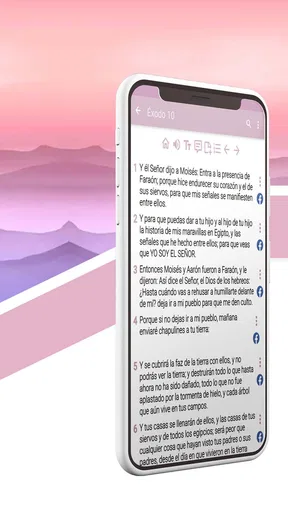
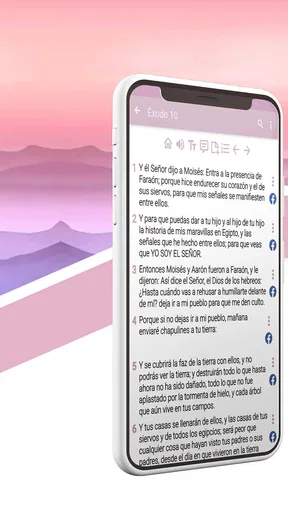
First off, let’s talk about the interface. Navigating through Biblia con lenguaje actual is like a walk in the park. You know how some apps feel like you need a map just to find the search bar? Not this one. It's super intuitive and user-friendly, with a clean design that doesn’t overwhelm you with too many options at once. Everything is laid out in a way that makes sense, and I found myself easily flipping through chapters and verses without any hassle.
Features That Stand Out
Now, onto the features. This app isn’t just a digital Bible; it’s packed with tools that enhance your reading experience. One thing I loved was the highlight feature. Whether you’re preparing for a study group or just want to keep track of your favorite passages, highlighting is a breeze. You can also add notes, which is perfect for jotting down insights or reflections as you read.
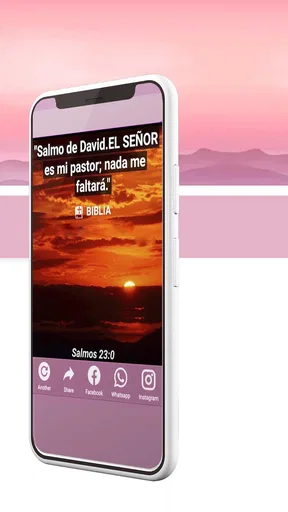
Another nifty feature is the daily verse notifications. I’m not usually one for push notifications, but getting a bit of spiritual wisdom every morning was a pleasant surprise. It’s like having a little nudge to start your day on a positive note.
Language and Accessibility
The app is crafted in contemporary Spanish, making it accessible to a broader audience. It ditches the old-school thee’s and thou’s, opting instead for a more relatable and understandable language. This makes it an excellent choice for both seasoned readers and those just starting their spiritual journey.
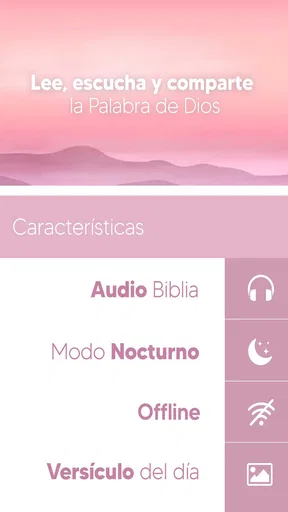
Accessibility is another big win here. With adjustable font sizes and a night mode, you can tailor your reading experience to suit your preferences. I tried both the light and dark themes, and they were equally easy on the eyes, even during long reading sessions.
Extras and Enhancements
Beyond the basics, Biblia con lenguaje actual offers audio versions, which are a game-changer. Whether you’re on the go or just prefer listening to reading, the audio feature is top-notch. The narration is clear and engaging, making it easy to follow along.
The app also includes a set of devotional plans. These plans are structured to help you dive deeper into specific themes or books of the Bible. I tried a couple of them, and they were well-organized and insightful, offering a structured approach to your study.
Room for Improvement?
No app is perfect, and while Biblia con lenguaje actual is pretty solid, there's always room for improvement. Occasionally, I noticed that the app would take a moment longer to load certain features, particularly when switching between the text and audio versions. It’s not a deal-breaker, but something worth mentioning.
Also, while the app is rich in features, newcomers might find the sheer number of options a bit overwhelming at first. A brief tutorial or guided tour could help smoothen the onboarding process for first-time users.
Final Thoughts
Overall, Biblia con lenguaje actual is a fantastic app for anyone looking to explore the Bible in a modern, user-friendly format. It’s packed with features that enhance your reading experience, and its contemporary language makes it accessible to a wide audience. Whether you’re a daily reader or just curious, this app has something for everyone.
So, if you’re ready to dive into a fresh take on the Bible, give this app a try. You might just find it becomes a staple in your spiritual toolkit.
Pros
- User-friendly interface for easy navigation.
- Includes various translations for comparison.
- Offline access for reading without internet.
- Bookmark and note-taking features available.
- Daily verse notifications for inspiration.
Cons
- Contains ads that may disrupt reading.
- Limited audio options for some translations.
- In-app purchases for premium features.
- Occasional app crashes reported by users.
- Requires regular updates for best performance.
FAQs for Biblia con lenguaje actual
What features does Biblia con lenguaje actual offer?
Biblia con lenguaje actual provides a modern and accessible translation of the Bible, making it easier for readers to understand and engage with the text. Features include daily reading plans, verse highlights, bookmarks, and search functionality. The app also offers offline access, allowing users to read the Bible without an internet connection.
Is Biblia con lenguaje actual available for free?
Yes, Biblia con lenguaje actual is available for free download on both Android and iOS platforms. However, some features may require in-app purchases or subscriptions to unlock premium content, such as additional translations or commentaries. Be sure to check the app details for any potential costs.
Can Biblia con lenguaje actual be used offline?
Absolutely, Biblia con lenguaje actual supports offline reading, enabling users to access the scriptures without an internet connection. This feature is particularly useful for users who might not have consistent internet access or prefer to use the app during travel or in areas with limited connectivity.
Does Biblia con lenguaje actual include audio versions of the Bible?
Yes, the app offers audio versions of the Bible, allowing users to listen to scripture on the go. This feature is ideal for those who prefer auditory learning or wish to engage with the Bible while multitasking. Check the app settings to adjust playback speed and other audio preferences.
How does Biblia con lenguaje actual handle user privacy?
Biblia con lenguaje actual takes user privacy seriously. The app requires minimal permissions and adheres to strict data protection practices. User data, including reading history and bookmarks, are stored securely. Always review the privacy policy to understand how your information is managed and protected.


